
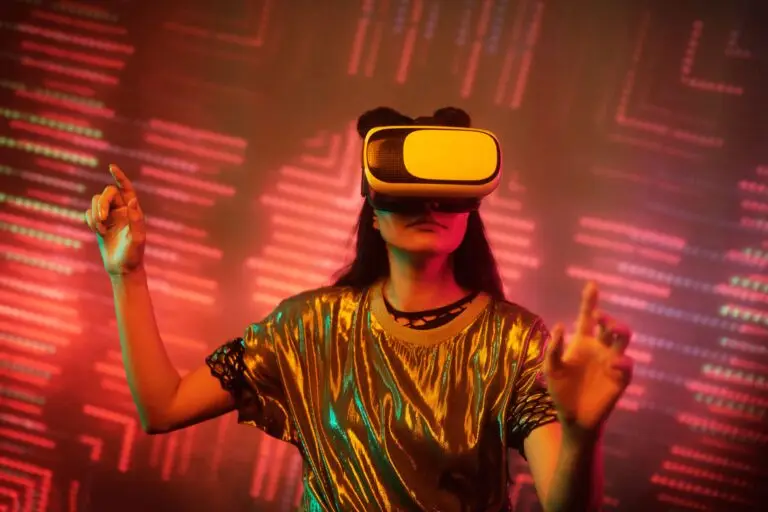
Meta Smart Glasses, Invisible Cameras and the Right to Your Own Face
Diane Morgan was working. The British comedian, best known as the gloriously ill-informed Philomena Cunk, was filming on Hollywood’s Walk of Fame when a man approached her wearing Meta Ray-Ban smart glasses. He asked for her telephone number, told her she was gorgeous and, when a crew member intervened, reportedly became threatening.
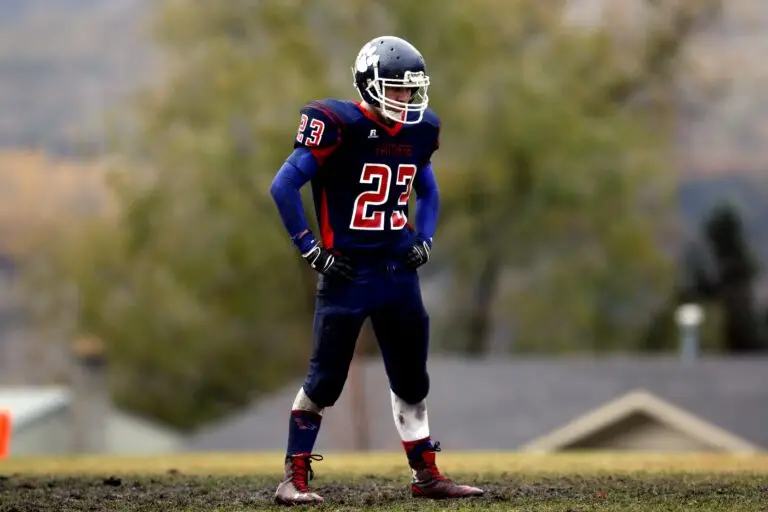
NIL Is Becoming an Infrastructure Problem
For years, the conversation around name, image and likeness has focused largely on rights: who can use an athlete’s identity, what that use is worth, and how athletes participate economically in the value they create. But as the NIL market matures, another problem is becoming visible.

Hatsune Miku: A Cyborg’s Life — What a Virtual Pop Star Taught Me About Personality Before Generative AI
More than a decade ago, I became fascinated by Hatsune Miku. She was described as a virtual singer, a Vocaloid, an avatar and a digital celebrity. None of those descriptions seemed quite adequate. Miku did not simply represent a person hiding somewhere behind the screen. Nor was she merely a fictional character whose identity had been determined once and for all by an author. She existed through the continuing participation of the people who composed for her, drew her, animated her, performed with her, listened to her and imagined her.

Peppa Pig Has Better Identity Protection Than You Do
Peppa Pig does not have a personality right. She has something arguably more useful: a legal and commercial architecture capable of recognizing that many different manifestations belong to one valuable identity. Peppa Pig has a legal advantage over you.
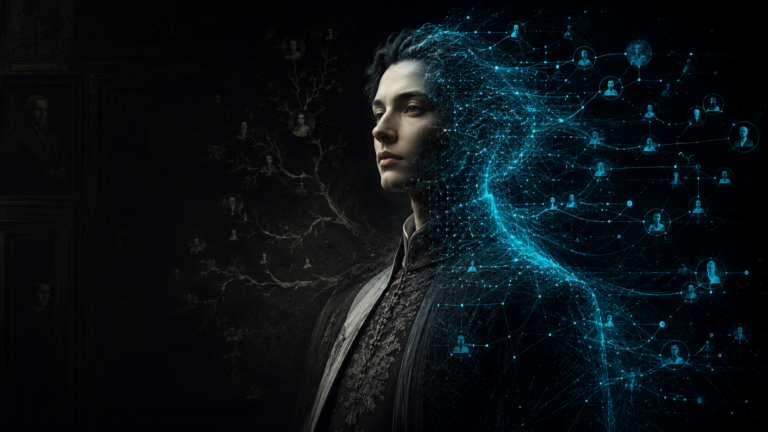
What the British Aristocracy Can Teach Us About AI
When most people think about aristocratic lineage, they think about privilege. Historians know it served a different purpose.

The Pastiche Peril
A two-second sample. Nearly thirty years of litigation. And a judgment that may have transformed one of copyright law’s most obscure exceptions into one of its most important.

Fashion, Personality Rights, and Brand Protection in the Age of AI Why Fashion Brands and Public Figures Must Rethink Image Rights Protection
The fashion industry has always depended on identity, exclusivity, and reputation. Today, however, those same assets are increasingly vulnerable to misuse through AI-generated content, counterfeit ecosystems, deepfake technologies, and unauthorized commercial exploitation across digital platforms.

Personality Rights in the Age of Digital Avatars: The James Cameron “Avatar” Lawsuit and the Future of Human Identity
Is your face just an aesthetic, or extractable data? The Avatar lawsuit exposes a new era of biometric identity theft—and why you must secure your digital persona.
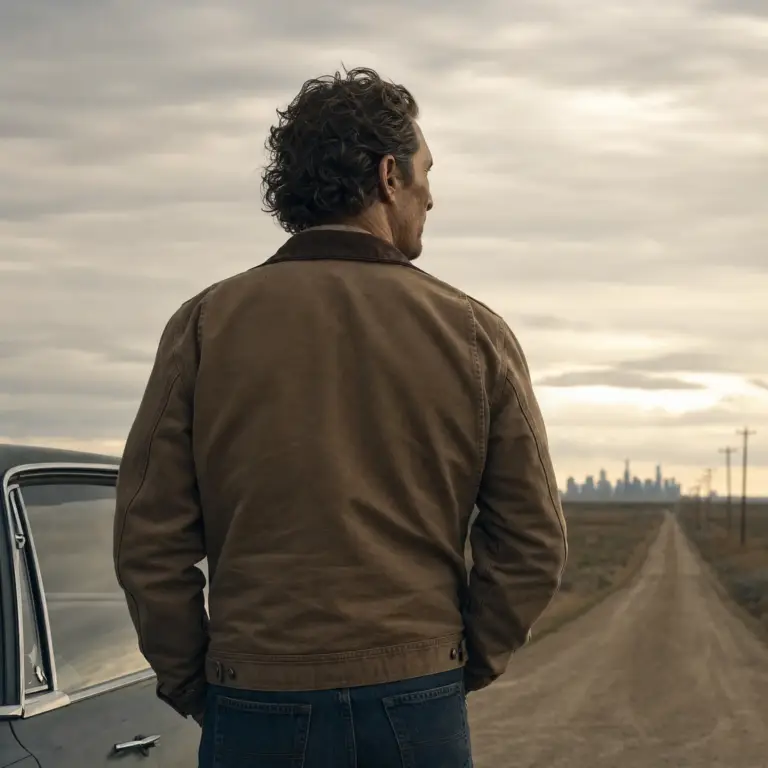
Matthew McConaughey Already Understands the Future of AI Better Than Most Hollywood Lawyers
Matthew McConaughey doesn’t sell movies. He sells Matthew McConaughey.

How Image Rights Registration Helps You Protect Your Face, Your Voice, and Your Digital Identity as an Influencer
If you’re an influencer or creator, your face, voice, and online persona are your business. They power your partnerships, fuel your audience growth, and shape the trust you’ve built online. But in a world of content theft, deepfakes, and AI clones,
protecting your personal brand has never been more important.

Taylor Swift, AI, and the New Law of Personality
Why Controlling Your Digital Persona Is the Next Frontier of Intellectual Property
Taylor Swift, a question for you. If an artificial intelligence system can replicate your voice, your image, and your persona without consent, what exactly do you own?
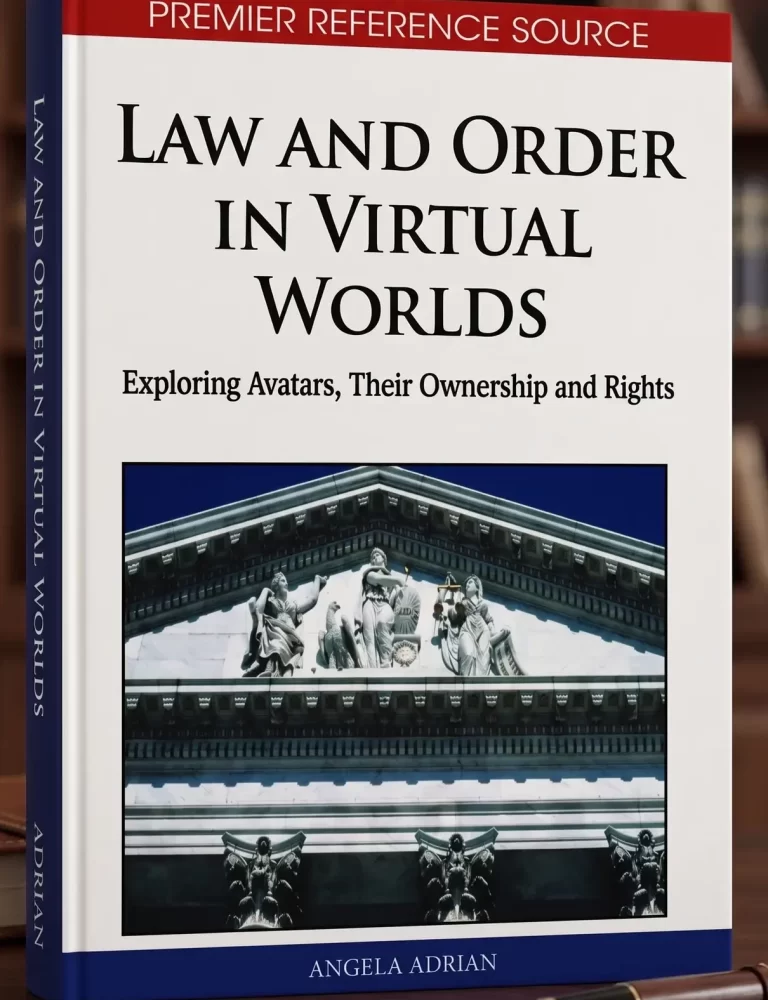
The Legal Frontier: Establishing Order in a Borderless Digital Reality
The Legal Frontier: Establishing Order in a Borderless Digital Reality

Personality as Property: The New Legal Frontier for Global Creators
In the digital age, your voice is being cloned and your face is being replicated by algorithms while you sleep. Without a proactive defense, your identity is no longer your own.

Protecting Image Rights in the Age of AI: The Future of Strategic Brand Management
Strategic brand management, the nucleus of any global company’s success, is no longer solely about trademarks and patents. Traditionally, sound advice was to protect them early, strongly and proactively.
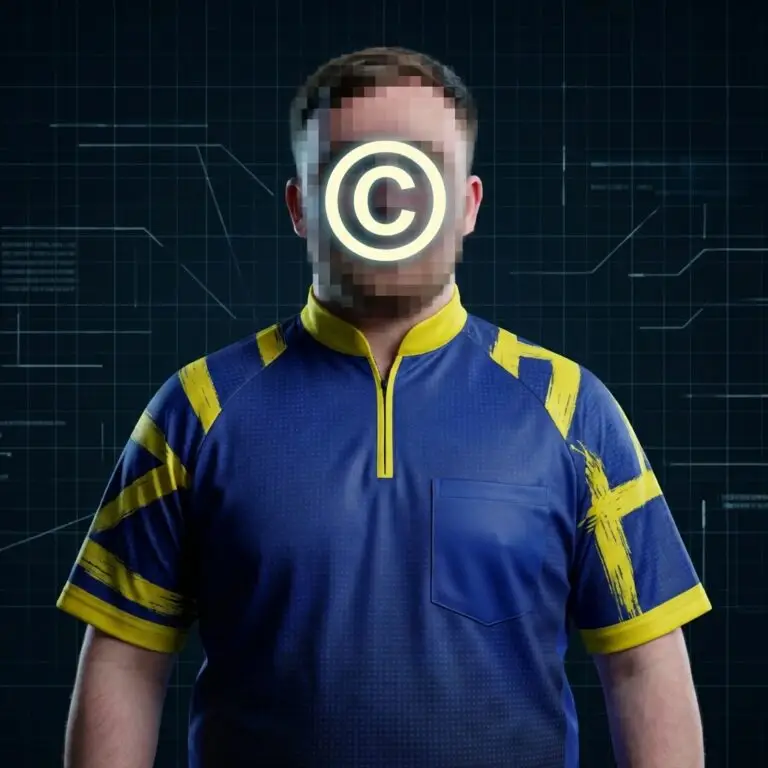
Why Trademarking Luke Littler’s Face Won’t Work — And How to Actually Protect and Monetize Your Identity
Luke Littler’s attempt to trademark his face highlights a growing concern shared by athletes, creators, and influencers everywhere: How do you protect your digital identity in an AI-driven world?

Digital Sanctuaries and Image Rights in the Age of AI
As artificial intelligence (AI) accelerates, individuals are asking urgent questions: How do I protect my digital identity? Do I own rights to my face? Is my voice copyright protected? What are my rights if AI uses my face?

Image Rights for Identity Protection in the age of Artificial Intelligence
Image rights registration can function as a practical legal and commercial tool to safeguard digital identity in the age of generative AI. This global registration, paired with privacy, copyright, and publicity/right-of-personality regimes, enables individuals and organizations to protect their personal brand from theft, prevent misuse of name and image, and stop AI from using likenesses without consent.