
Stealing Neytiri: How the Avatar Lawsuit Threatens Your Biometric Identity

Is your face just an aesthetic, or extractable data? The Avatar lawsuit exposes a new era of biometric identity theft—and why you must secure your digital persona.
Identity as the Ultimate Asset: Why Matthew McConaughey is Hollywood’s New Legal Blueprint

Matthew McConaughey Already Understands the Future of AI Better Than Most Hollywood Lawyers
How Image Rights Registration Helps You Protect Your Face, Your Voice, and Your Digital Identity as an Influencer

If you’re an influencer or creator, your face, voice, and online persona are your business. They power your partnerships, fuel your audience growth, and shape the trust you’ve built online. But in a world of content theft, deepfakes, and AI clones,
protecting your personal brand has never been more important.
Taylor Swift, AI, and the New Law of Personality

Why Controlling Your Digital Persona Is the Next Frontier of Intellectual Property
Taylor Swift, a question for you. If an artificial intelligence system can replicate your voice, your image, and your persona without consent, what exactly do you own?
The Legal Frontier: Establishing Order in a Borderless Digital Reality
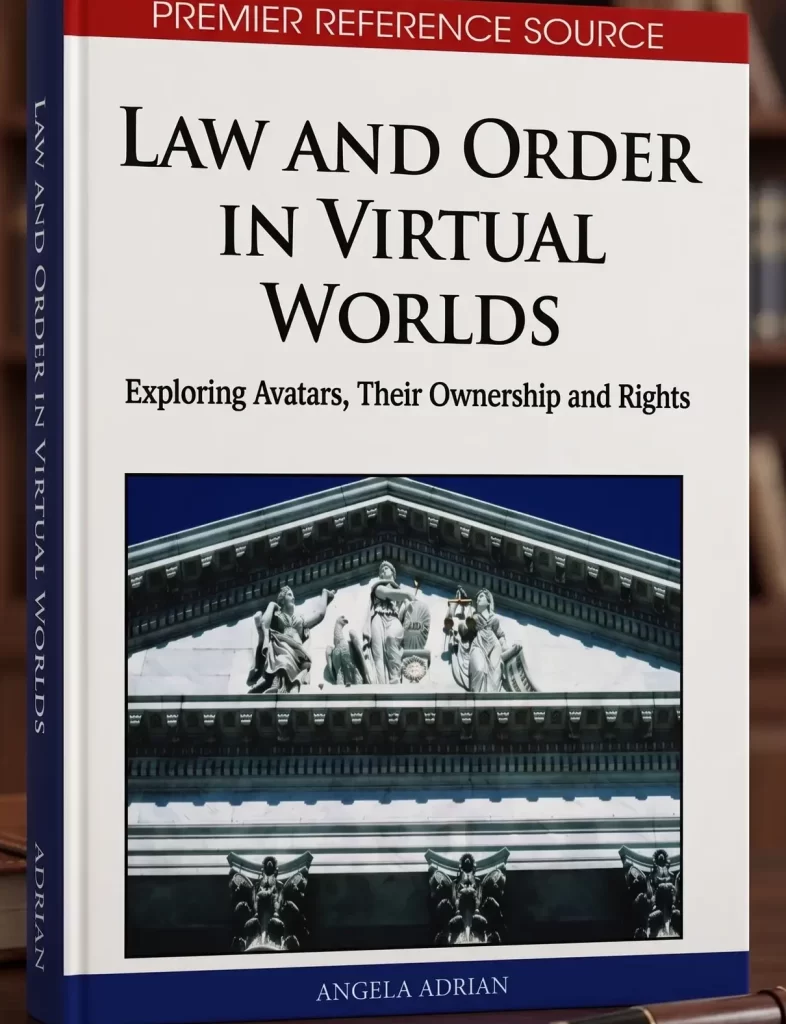
Foundational Intelligence The Legal Frontier: Establishing Order in a Borderless Digital Reality Strategic Insight by: Angel Adrian, Personality Incorporated Before the “Personality Capsule” became the gold standard for asset protection, the blueprints for digital sovereignty were being drawn. To protect the future, one must understand the precedent of the virtual world. In 2010, our founder anticipated the conflict between physical law and virtual existence. Today, those theories are our reality. As the barrier between the physical and the synthetic dissolves, the question of ownership is no longer academic—it is existential. Unauthorized cloning and the commodification of the human likeness are the modern iterations of a conflict that began decades ago in early virtual communities. Predicting the Identity Crisis In her seminal work, Law and Order in Virtual Worlds: Exploring Avatars, Their Ownership and Rights, Angela Adrian outlined the coming friction between real-world legal frameworks and digital assets. This text serves as the philosophical and legal foundation upon which Personality Incorporated was built. Core Principles of Digital Rights The transition from “Avatar” to “Personality Property” requires a deep understanding of three critical areas discussed in the book: Asset Ownership: Defining what constitutes a “virtual asset” in a landscape of shifting code. Liability and Infringement: Determining real-world consequences for digital-first violations. Synthetic Jurisdictions: How real-world laws must adapt to govern entities that exist outside physical borders. Personality as Property: The 2010 Blueprint The concept of Personality as Property is not a recent reaction to AI; it is a long-standing legal pursuit. By treating your voice, likeness, and digital presence as a formal asset class, we move away from “Terms of Service” and toward “Legal Title.” To truly secure your legacy, you must understand the interface where real-world consequences follow digital actions. Our Capture, Secure, Register framework is the technological manifestation of the theories presented in this book. We have moved from observing virtual world conflicts to providing the definitive resolution for them. Consult the Foundational Text For the estate, the high-profile creator, and the legal scholar: understand the origin of your digital rights. Secure the knowledge that safeguards your identity. Law and Order in Virtual Worlds remains a critical resource for anyone venturing into the modern digital reality. Acquire the Hardcover
Personality as Property: The New Legal Frontier for Global Creators

In the digital age, your voice is being cloned and your face is being replicated by algorithms while you sleep. Without a proactive defense, your identity is no longer your own.
Beyond the G: Why Static IP Strategy Failed Gucci® in the Age of Replication

Tradition dictates that a strong brand is built on trademarks and patents. But when the battleground shifts from leather goods to digital likenesses, traditional IP becomes a static defense in a dynamic war
Why Trademarking Luke Littler’s Face Won’t Work — and the Path to Identity Ownership
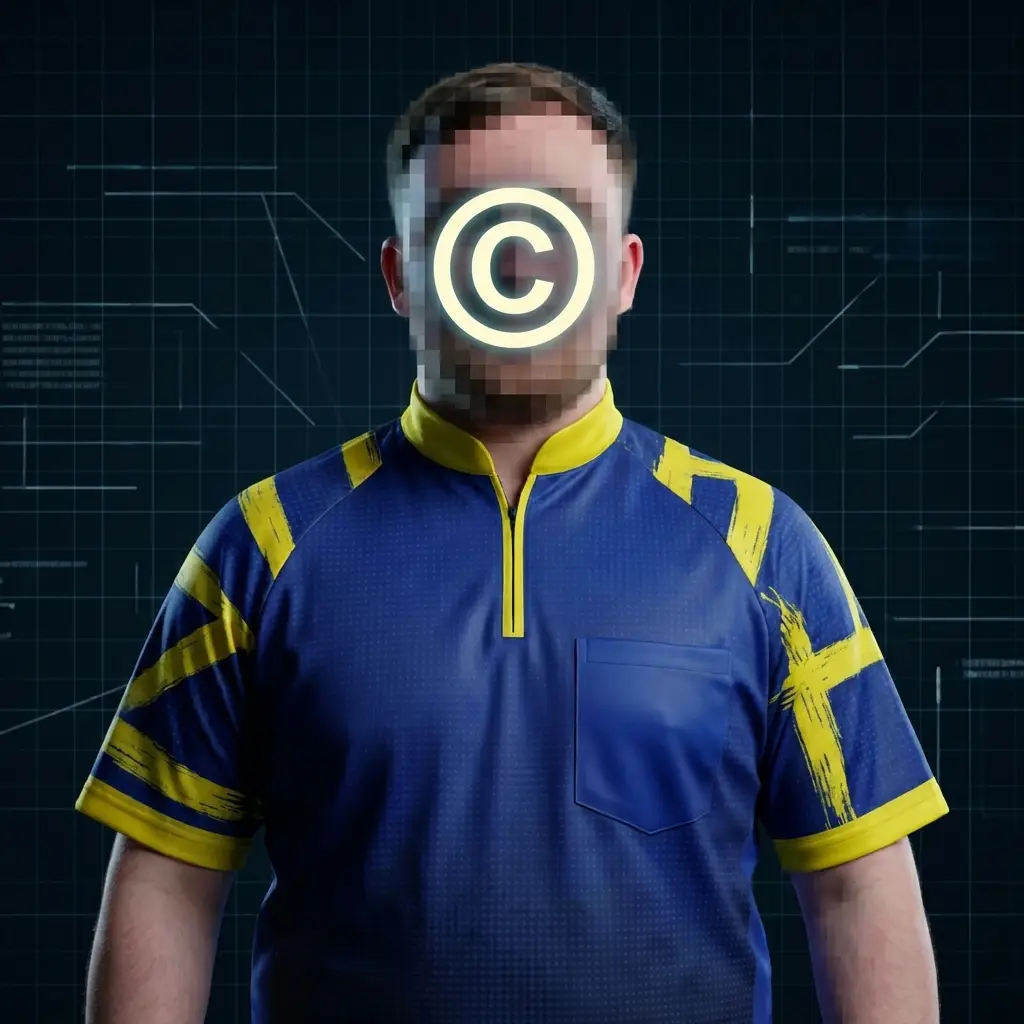
Luke Littler’s attempt to trademark his face highlights a growing concern shared by athletes, creators, and influencers everywhere: How do you protect your digital identity in an AI-driven world?
Digital Sanctuaries and Image Rights in the Age of AI

As artificial intelligence (AI) accelerates, individuals are asking urgent questions: How do I protect my digital identity? Do I own rights to my face? Is my voice copyright protected? What are my rights if AI uses my face?
Image Rights for Identity Protection in the age of Artificial Intelligence

Identity transcends a mere collection of facts such as name, location, employment, age, and gender; it embodies a rich tapestry shaped by the context in which each individual exists.